These supplements can help with melasma.
- Polypodium leucotomus extract – is a fern-derived oral antioxidant that reduces ultraviolet (UV) light-related pigmentation. UV light from the sun activates the production of melanin.
- Vitamin D – Vitamin D deficiency is common in melasma patients.Vitamin D is anti-inflammatory and regulates keratinocyte-melanocyte signaling.
- OMEGA-3 fatty acids – help reduce inflammation and improve skin barrier function. Inflammation is a stimulus for melanin production.
- Vitamin C, both systemic and topical. L-Ascorbic acid is a potent antioxidant and it inhibits the enzyme that triggers melanin production, tyrosinase.
- Zinc – is anti-inflammatory and helps modulate melanocyte activity.
- Vitamin E – the only antioxidant that protects cell membranes and has been demonstrated to yield significant improvement in pigmented facial disorders, including melasma[1].
Melasma is an incurable skin condition that requires a multi-pronged therapeutic approach:
- A high yield protocol includes the above enumerated supplements, tranexamic acid (optional, if appropriate for patient), sun protection (a must).
- Topical creams to decrease inflammatory components and decrease pigment. Creams with arbutin, niacinamide and azelaic acid are useful for pre-laser skin preparation and post laser skin care. They also help in maintaining the treatment results.
- Laser treatments are effective in both epidermal and dermal melasma.
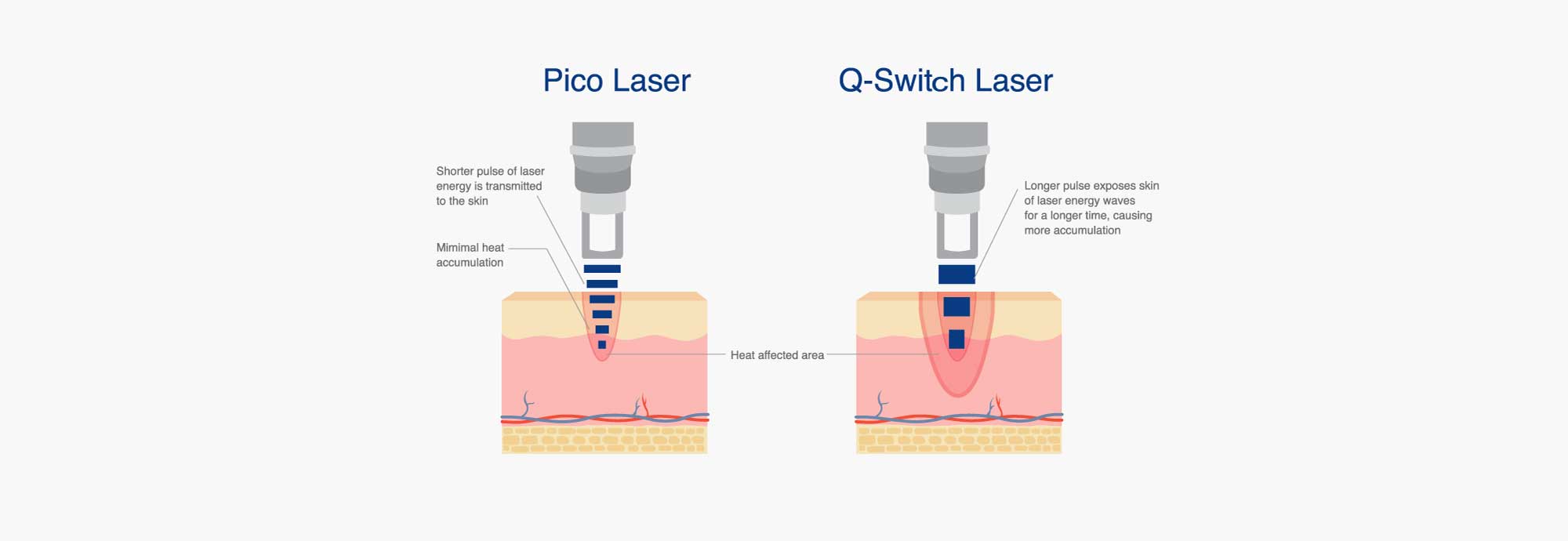
- Laser treatment with a picosecond laser is more effective and has less complications.
[1] Ramos-e-Silva, M et.al., Vitamin E in dermatology, Clinics in Dermatology, Vitamins I volume (2026); 44: 257-63Lorem ipsum dolor sit amet, consectetur adipiscing elit. Ut elit tellus, luctus nec ullamcorper mattis, pulvinar dapibus leo.