Skin quality and the ideal facial aesthetic proportions are the cornerstone of beauty at all ages and for all genders. There are limited options and treatments to improve your facial proportions. However, you can do far more to control, enhance and maintain your skin quality.
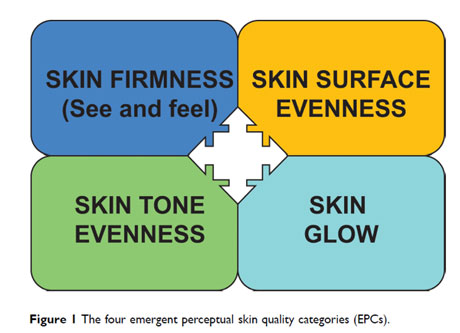
Aesthetic medicine research has defined skin quality as dependent on four “emergent perceptual parameters”[1]:
- Skin firmness– Elasticity, tightness, and hydration
- Skin surface evenness– Pores, crepiness, wrinkles/lines, scars, clarity and hair
- Skin tone evenness– Pigmentation, erythema (redness), coloration or discoloration
- Skin glow– radiance, luminosity, vibrancy and complexion
[1] Goldie, K et.al, Skin Quality – a Holistic 360° View: Consensus results, Clinical Cosmetic and Investigational Dermatology, 2021.
Skin firmness is defined for its ability to return to its original position and its resistance to mechanical forces. Hydration refers to the water content of the epidermis (the outermost layers of the skin). People with loss of skin firmness have deficits of collagen, elastin and low hydration.
Skin surface evenness is adversely affected by scars, wrinkles/lines, crepiness (thin, wrinkled), wide and abundant pores, and unwanted hair or hair loss. Unhealthy skin is usually dull and frequently also has pigment unevenness.
Skin tone unevenness includes uneven pigment distribution and balance – as in melasma, sun and aging spots or abundant facial capillaries and rosacea. In some people there are hypopigmented areas.
Skin glow is skin that has lost its luminosity and radiance. It usually results from a variety of conditions that lead to dry, thin, pigmented, and rough skin surface. This enhances the appearance of aging or skin disease.
Skin Firmness
Skin firmness is the first perceptual parameter defining skin quality. Firmness is a foundational factor in skin quality.

Its main contributing factors are:
- Elasticity
- Tautness/tightness
- Hydration
Skin tightness and elasticity can be measured.
In-office assessment can be made by performing the “pinch test” or the “snap test”. Healthy skin resists deformation and quickly snaps into its original position. Skin that has lost its tightness and elasticity sags and may not return to its original position or may do so slowly. The pinch tests detect dehydration, dermal collage loss, elastosis, photoaging and advanced chronological aging. The snap test evaluates elastic fiber function, dermal resilience and overall mechanical skin quality.
Pinch the skin below your eyelids or in the dorsum of your hands. If it forms a “tent” and slowly returns to its original state, you likely have thinner lower eyelid skin with loss of elasticity. This delayed reaction can be graded ranging from instantaneous snap-back (Graded at ‘0’) and persistent tenting (Grade ‘4’ – marked elastosis). A Grade 4 rating is consistent with collages loss/fragmentation and solar elastosis which means sagging, lax skin which may have a crepey appearance. These external skin conditions are often associated with loss of underlying fat, dermal and bone volume (loss of the fat pads for those on GLP-1 weight loss medications, advanced aging, poor skin maintenance routines, lifestyle factors, genetics, some chronic medical conditions).
How can we improve our skin firmness?
Topical retinoids, consistent sun protection, using moisturizing creams that maintain the skin barrier by hydrating and replenishing antioxidants, lipids and the acid mantle constituents. The acid mantle is part of the outermost layer of the skin, serving to maintain the acidity of the stratum corneum. The acid mantle protects the skin from infections and the environment; its function deteriorates gradually in aging individuals promoting thin, dry, dull and vulnerable skin.
Aesthetic treatments that promote tightness, elasticity and improve skin firmness include:
- Microfocused ultrasound (Ulthera)
- Biostimulators like Sculptra (PLLA)
- Radiofrequency microneedling
- Non-ablative Nd:YAG (Fotona 4D, neck contouring, skin tightening)
- Ablative Erbium – fractional resurfacing, resurfacing
These treatments can be enhanced by combining them in a concerted fashion after preparing the skin (correcting the acidity, hydrating, providing supportive modalities to the skin barrier).
At Medical Laser & Aesthetics we strive to prepare skin prior to treatments. And we enhance treatments by combining aesthetic treatments with PRP (Platelet Rish Plasma) hyaluronic acid (for hydration) and exosomes. We plan your treatment to include biostimulators together with the energy-based treatment described above.
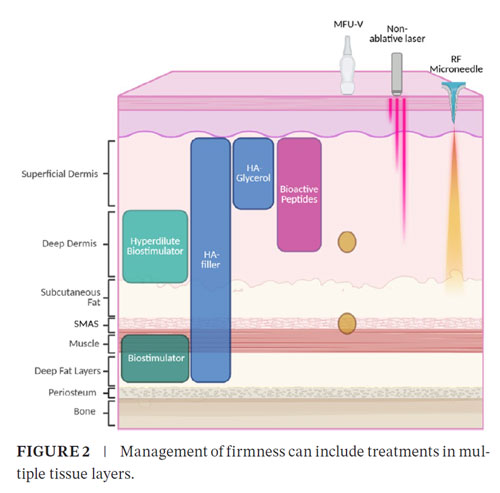
Figure 2, from Kerscher, M, et.al., How to Treat Skin Quality: A Consensus-Based Treatment Algorithm and Expert Guidance, Journal of Cosmetic Dermatology, 2025: 24 (Suppl. 4):e70359
Skin Surface Evenness
Skin surface evenness is based on the many surface alterations that result from enlarged pores, acne (pimples, black/whiteheads) and surgical scars, wrinkles, fine lines and crepiness. It also includes hair loss and skin roughness.
In addition to those mentioned below, topical retinoids, sun blocks, hydrating serums, and appropriately spaced, effective exfoliation (see the exfoliation post on the MLA website).
At our clinic we evaluate this and other parameters by showcasing them visually. Our Quantificare 3D Imaging system is a research-validated instrument that takes highly detailed photographs and then analyzes them for redness, pigment and surface irregularities.
Aesthetic Treatments for Skin Surface Evenness
Aesthetic treatments that improve the appearance of skin surface irregularities include:
- Neurotoxins (Botox) either full strength or microtoxin application
- Chemical peels –
- Hyperdiluted calcium hydroxylapatite (CaHa or Radiesse)
- Sculptra (PLLA)
- Hyaluronic acid fillers – HA-20G
- Radiofrequency and manual microneedling
- Non-ablative Nd:YAG (Fotona 4D, FRAC3)
- Ablative Erbium – fractional resurfacing, resurfacing
Hyaluronic acid fillers – HA-20G (Belotero Revive, Merz Aesthetics) and Skinvive (Juvederm) are used for intradermal injections to improve skin smoothness, hydration, and fine textural defects in the superficial skin. Not for volume loss.
Fitzpatrick classification (I to VI) must be determined prior to selecting an ablative or non-ablative laser treatment, to avoid complications such as Post Inflammatory Hyperpigmentation. We recommend choosing a Pico laser, which is safer for treating skin of color.
Skin Tone Evenness
We have discussed skin tightness and unevenness in our prior posts. The third parameter that defines skin quality is: skin tone evenness.
Skin tone evenness includes:
- Disorders of pigmentation like solar and age spots, post inflammatory hyperpigmentation and melasma
- Uneven redness due to excess vascularity (spider veins, telangiectasias, inflammation, dermatitis)
- Discoloration (areas of hypopigmentation or abnormal coloration)
Aesthetic treatments that improve the appearance of skin surface irregularities include:
- Intense Pulsed Light (IPL – not suitable for every Fitzpatrick class)
- Non-ablative lasers – for the treatment of vascular disorders
- Picosecond lasers like the Fotona Starwalker PQX for managing hyperpigmentation disorders and skin spots
In addition to the above, wearing sunscreen consistently, and using creams containing azelaic acid, antioxidants or niacinamides may help. Medications such as Tranexamic acid (TXA), hydroquinone and oral supplements such as vitamin C and polypodium leucotomos (Heliocare) may be indicated for the treatment of some pigmentation conditions. Retinoids may be considered as well.
Skin Glow
The last defining parameter for skin quality is: Skin Glow.
Skin glow depends also on a health skin barrier with adequate hydration and an intact acid mantle. This is where lifestyle choices also matter: (1) a well structured and consistent skin care routine, (2) regular exercise and a healthy, balanced diet, and (3) no smoking – all help enhance skin glow.
Other treatments that can assist skin glow include:
- Biostimulators: Calcium Hydroxylapatite (CaHa – Radiesse) and Sculptra
- HA-20G (Belotero Revive, Merz Aesthetics) and Skinvive (Juvederm) are hyaluronic acid treatments injected into the skin—not used as volume-replacing fillers—to improve smoothness, hydration, and fine surface texture.
- Neurotoxins _ help with vascularity (Rosacea)
- Chemical peels
- Skin Glow procedure for skin of color (Starwalker PQX)
- Resurfacing – Light peels with the Fotona 4D
Improving Skin Quality
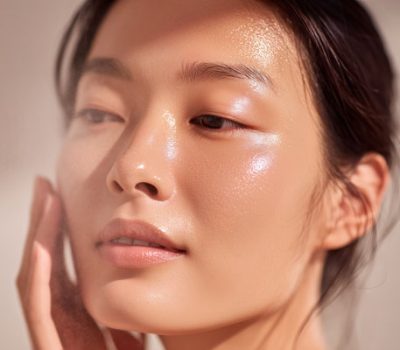
Skin quality is defined as evenly toned, hydrated skin which is firm and supple. This skin naturally glows.
There is no “silver bullet’ that does it all, and at our clinic the process starts with a thorough appraisal of your skin including aesthetic measurements, a determination of skin acidity, pigmentation, laxity, irregularities, color, spots, scars, loss of volume and hydration.
The best way to improve skin quality is to develop a short-term and long-term plan. At MLA our evaluations take about an hour. After photos, moisture and pH measurements, our staff will discuss a variety of treatments directed to specifically improve or correct each of the parameters that lead to good skin quality – a youthful, firm, evenly colored supple akin that glows.