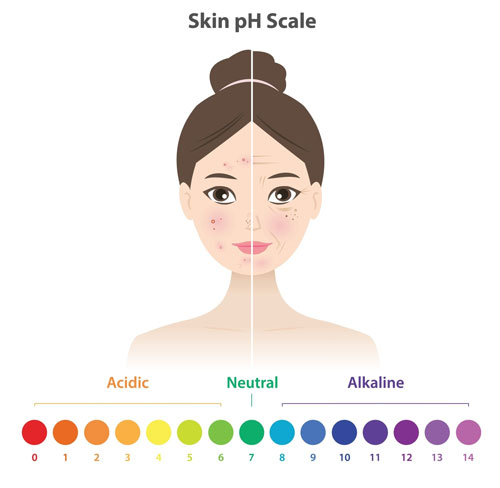
Your skin barrier (the stratum corneum) is the outermost layer of your skin, acting as a vital shield to protect your body from environmental threats while locking in essential moisture. A normal skin barrier has a pH of 4.5–5.5, whereas most body cells maintain a neutral pH of 7.4 for proper function. Skin cells use vital energy to keep the skin’s pH slightly lower than that of the blood and most other cells. The slightly acidic environment improves skin health as follows:
The enzymes that support and protect the skin function best at this pH. They regulate epidermal turnover and convert lipid precursors into ceramides, cholesterol, and free fatty acids, which are essential for hydration. These processes also help maintain the skin’s barrier against irritants and outside substances.
Bacteria such as Staphylococcus aureus, streptococci, and Cutibacterium, thrive in an alkaline environment such as sebaceous (oil) glands. Maintaining a slightly acidic 4.5–5.5 skin barrier creates a hostile environment for bacteria, which means less acne.
- Skin inflammation increases when pH increases. Decreasing pH will calm skin and improve the skin barrier’s ability to protect the body.
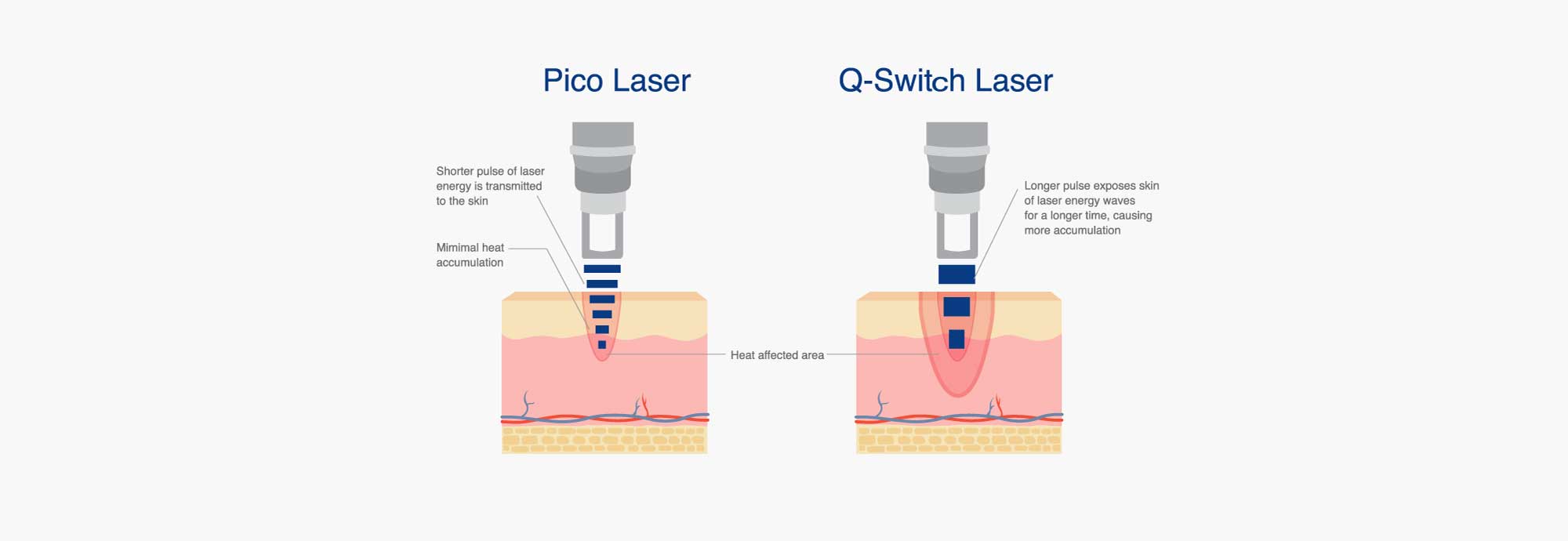
The next time a medical provider recommends using a specific product before a procedure, please listen. Their goal is not simply to sell you something. They are trying to improve the outcome of the procedure, by starting with healthy skin. Your procedure results depend not only on the equipment, the provider’s expertise, and the procedure itself, but the health of your skin. Healthy skin is better able to heal, regenerate collagen and elastin, and restore its barrier function.