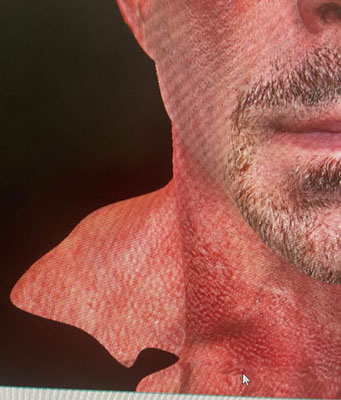
Poikiloderma of Civatte (PoC) presents with a reddish-brown skin discoloration of the neck and chest due to sun exposure or aging. The neck and decollete skin is thinner and red except directly under the chin area where a “V” shaped area appears normal.
The “V” follows the shadow of the chin as it protects the skin from sun exposure. The underlying components of this skin condition are a fine network of blood vessels (telangiectasias), skin atrophy and hyper or hypopigmentation. The condition is benign; however, it presents an aesthetic concern to many.
In addition to chronic sun exposure, estrogen deficits seen in menopause and photoallergic reactions (to fragrances, skin care products, medication, food, or metals)appear to contribute to the condition. PoC is more common in women. Most people do not have any symptoms, but it can cause itching or burning sensation.
Treatment of this condition has to address: (1) the vascular component, (2) the pigment disorder and (3) the skin thinning component.
As a byproduct, it should also address the chronic skin inflammation which is associated to the condition.