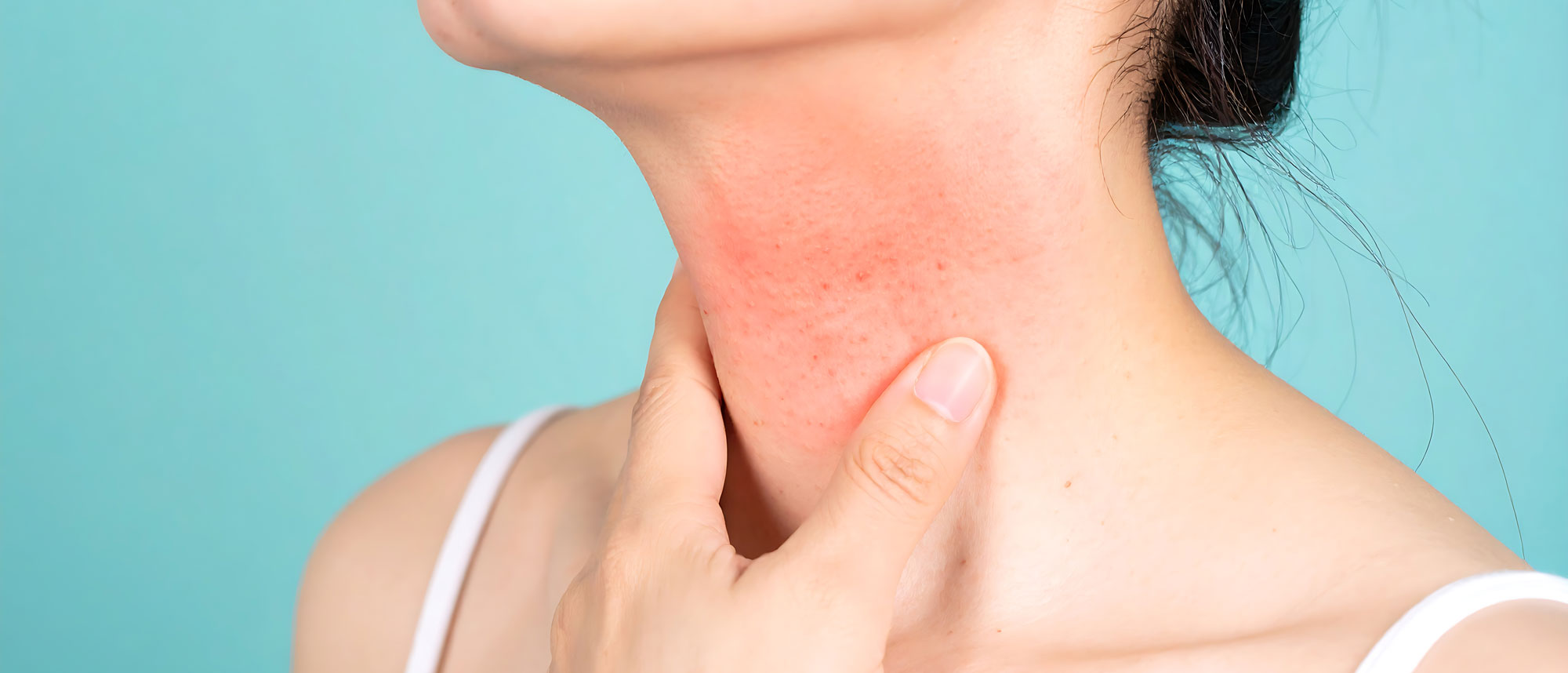
Facial and neck exfoliation can improve skin texture, pigmentation, acne and the effectiveness of your skin care routine. You should exfoliate your face 1 to 3 times per week, depending on your skin type. However, too much of this good thing can strip your natural moisture barrier and cause irritation, redness, breakouts, and/ post inflammatory hyperpigmentation (PIH). Word to the wise, start slow and adjust based on how your skin responds.
Exfoliation targets the stratum corneum, the outermost layer of the epidermis which has numerous layers of keratinocytes and corneocytes. Keratinocytes are the actively dividing living cells that make up most of your epidermis. Corneocytes are dead, and flattened Keratinocytes, which form the skin’s protective outer barrier. The flat corneocytes are embedded in a lipid matrix composed of cholesterol, fatty acid and ceramides. The resulting “brick and mortar” acid mantle protects our tissues from environmental exposure, dehydration, mechanical abrasion and microbial invasion.
Removing too many layers of dead cells is not good for unhealthy skin. In general, avoid exfoliation if your skin is red, irritated or just resurfaced. People with rosacea, atopic dermatitis and out-of-control acne should not exfoliate unless their primary condition is controlled. When you decide to exfoliate, start slowly and be gentle.
There are many ways to achieve effective exfoliation.
- Mechanical exfoliation – scrubs, brushes, microdermabrasion
- Chemical exfoliation uses acid to loosen the brick & mortar corneocyte layer:
- Alpha-hydroxy acids – Lactic acid, glycolic acid
- Beta-hydroxy acids – salicylic acid
- Polyhydroxy acids- gluconolactone, Lactobionic acid
- Laser resurfacing – controlled shallow epidermal ablation

Which exfoliation method is best for your skin?
There are many ways to achieve effective exfoliation. In this post we will address mechanical exfoliation methods:
Gently scrubbing with a face cloth and facial cleanser is inexpensive, suitable for most skin types and easy/safe to do – however it is not likely to remove deeper layers of the stratum corneum.
Konjac facial sponge- this is a soft sponge made out from konjac, a porous root vegetable. It is a gentle way of scrubbing facial tissue in a circular motion. It is generally safe for most skin types. You can use the wet sponge without a cleanser, then add a mild, slightly acidic facial cleanser to finish the process. Avoid the periorbital region. This is inexpensive, convenient and easy to use. It is less abrasive than most scrubs and can be bought plain, with activated carbon (for acne prone skin) or aloe vera (for sensitive skin). Buy a 100% classic Konjac sponge.
Electric facial brushes – not recommended, may be too harsh on your skin and brush cleanliness with use over time is an issue.
Facial scrubs with large particles – avoid scrubs with shell products. Thet usually contain irregular hard particulate matter which can cause inflammation and skin barrier injury/disruption. Avoid bamboo powder-based scrubs – particles are irregular and concentrations vary.
Microdermabrasion should only be done by a professional aesthetician. This method removes the stratum corneum using a diamond tip or crystals. In experienced hands it is effective and the extent of exfoliation can be controlled. However, it is a more aggressive exfoliation process which may cause irritation, inflammation and result in irritant dermatitis (especially in fine aging skin) or hyperpigmentation (in skin of color).
Commercial scrubs nearly all employ a delivery vehicle (Glycerin, hyaluronic acid) containing an abrasive component. The abrasive component determines how aggressive your treatment is. Use a scrub that has uniform, round (not sharp) abrasive particles (like jojoba esters, cellulose beads). Gently massage your skin in circular motion.
Professional and some advanced skin care products contain silicone beads. These particles are round, small and very uniform in size. The effect on the skin is controlled by the pressure applied, the concentration of the beads and how frequently the product is used.
Chemical Exfoliation – Face and Neck
We previously discussed the benefits of exfoliation and the physical methods used to achieve it. This post focuses on chemical exfoliation.
- Chemical exfoliation uses acids to loosen and remove the outer layer of dead skin cells.
- Alpha-hydroxy acids: lactic acid and glycolic acid
- Beta-hydroxy acids: salicylic acid
- Polyhydroxy acids: gluconolactone and lactobionic acid
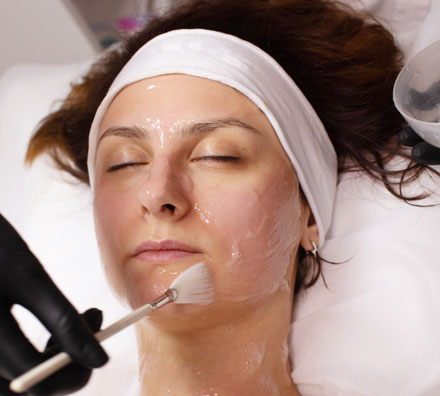
All chemical peels create a controlled injury to the epidermis. We recommend professional treatment because the peel’s depth and strength must be matched to the patient’s skin type, age, and underlying conditions to maximize effectiveness, ensure safety, and reduce the risk of complications.
Chemical peels can improve photodamaged skin by reducing fine lines, uneven pigmentation, dullness, and rough texture. Salicylic acid peels are especially effective for treating active acne lesions.
Salicylic acid is well absorbed into the skin’s lipid-rich surface layer and penetrates the follicles effectively. This allows it to loosen the bonds between cells in the stratum corneum and reduce excess sebum.
Patients with skin of color can benefit from chemical peels when they are selected and applied carefully. These peels may improve pigment disorders, including melasma. In these patients, mandelic acid, lactic acid, and conservative salicylic or glycolic acid peels can be effective. However, hyperpigmentation remains a potential risk.
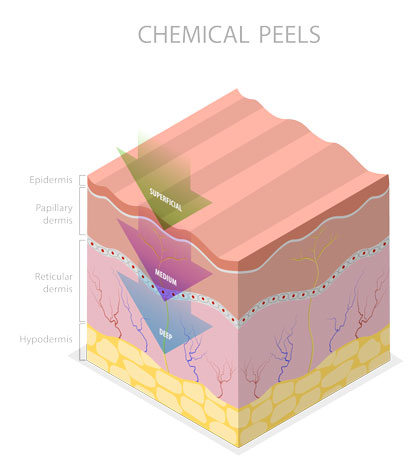
Older patients can also benefit from chemical peels, but lighter peels are generally preferred over deeper, more aggressive treatments.
For all patients receiving a chemical peel, proper aftercare is essential to prevent complications. Important steps include avoiding unprotected sun exposure, not touching the treated area, and applying protective products to keep the skin hydrated.
Which Exfoliation Options are best for Aging Skin?
Aging skin is usually thinner, drier and has a higher pH. These characteristics make it more challenging to treat and exfoliate.
Ideally, exfoliating should NOT be done too frequently, because aging skin is more prone to irritation, pigment disorders and damage.
Facial scrubs should contain: Jojoba esters or cellulose beads. The delivery vehicle should contain glycerin, ceramides, niacinamide, hyaluronic acid and/or polyhydroxy acids – the pH should be 4.5-5.5. Avoid using aggressive scrubs and favor the use of gentle soft cloth acidic washes and a konjac sponge.
Do a facial scrub only once a week if you have not done this regularly in the past. Avoid exfoliating more frequently than 2-3 times a week. Stop exfoliating if applying facial skin care causes stinging.
For chemical peels, these should be done by a professional. The do-it-yourself peels are usually mild, but they must be applied uniformly, which is difficult to accomplish. Favor polyhydroxy acid peels – they provide effective exfoliation without excessive skin barrier disruption.
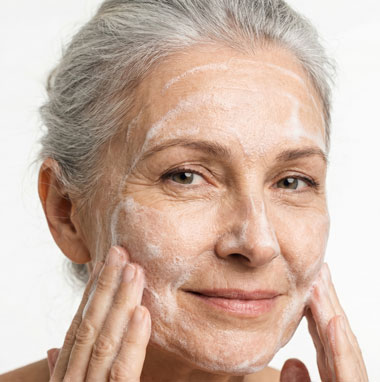
Avoid the electric brushes and dermabrasion unless you have used retinoids extensively and regularly in the past. The chronic use of retinoids leads to thicker skin with increased collagen metabolism and a more resilient skin barrier function.
Laser Resurfacing Provides Optimal Exfoliation
Ablative lasers can resurface the skin with precise depths. By controlling the depth, we also control the intensity and can accurately control the downtime.
Chemical peels are liquid solution or gels. Controlling the depth of a highly concentrated penetrating chemical (Trichloroacetic acid, glycolic acid) can be challenging and can lead to uneven peels and hot spots.
Laser resurfacing depth is easier to control as the laser operator can use a variety of parameters to precisely control depth and intensity. Lasers also make it possible to target problem areas with deeper resurfacing; while blending these deeper areas into the areas where the peel (or resurfacing) was less aggressive.
Erbium (Er:YAG – 2940nm) lasers target water and because they have a higher affinity for water as compared to CO2 lasers (10,600nm). CO2 is more destructive (more thermal injury) and causes more coagulation – longer downtime. Erbium allows for more precise ablation and faster healing. Erbium is safer to use than CO2, especially in darker skin types.
Fractional lasers are safer and provide faster healing as compared to full field facial ablative treatments. In full field ablation, the entire layer of skin is resurfaced. Fractional beam causes channels of ablated tissue with adjoining areas where the skin is untouched. This allows for faster healing times and when the skin heals the channels close and enhance skin tightness.
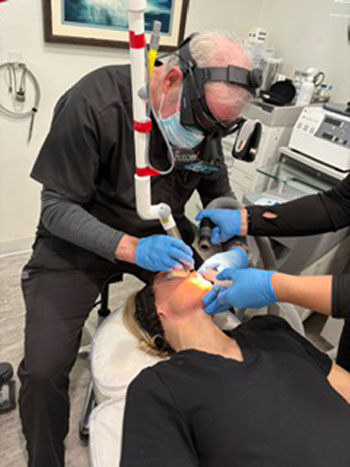
Laser resurfacing can be very light, very similar to a facial scrub or dermabrasion, or it can be much deeper rivaling phenol peels. Phenol peels were used in the past when laser resurfacing was not available; their limitations were many – long downtime, cardiotoxicity. months of skin redness and higher incidence of Post Inflammatory Hyper and Hypopigmentation.
At MLA we do varying degrees of resurfacing procedures to suit our clients’ desired outcomes and predetermined downtimes. The outcomes are excellent with resolution/improvement of acne scars, more uniform skin coloration, decreased skin defects and pigment and tighter healthier skin.